Plinko: A Practical Guide to the Game
Plinko is a peg-board game in the cards category: choose the available settings, release a ball, and see which landing slot it reaches. A Plinko Demo, when offered, can help you learn the controls, but it cannot forecast a later result or guarantee a prize.
Plinko at a glance
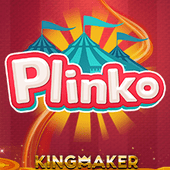
The direct answer: Plinko sends a ball through a field of pegs toward a payout slot; its path and landing position determine the result under the current game's rules. Read the displayed stake, board, and payout details before confirming any drop.
On JL 29, the game is grouped as cards, although its familiar play pattern is a descending ball and a set of landing positions. The icon and action button use the platform's regular access behavior, not a promise about outcomes.
Related quick-round picks

These related titles are catalogue suggestions. Their rules and results differ; game cards without a dedicated page use the normal platform action.
When the ball lands: the Plinko result explained
If you are wondering what to do after a drop, first check the landing slot and the settlement shown by the game. A completed Plinko round is resolved by its displayed board and payout rules; if the result looks unclear, open the in-game explanation or account history before starting another round.
Before the next play, confirm that the previous action completed, that the stake was the amount you intended, and that the balance reflects the round. A connection interruption or a delayed animation is not a reason to repeat an entry without checking the available record.
Simple next steps
- Wait for the ball animation and round status to finish.
- Read which slot the ball reached and how that outcome is shown.
- Check any available history or help panel if the settlement is uncertain.
- Stop or take a break if you have reached your planned limit.
A Plinko Demo may let you rehearse these interface steps without treating a sample as a prediction. A simulated run can show where feedback appears, but random paths do not create a reliable sequence for future play.
For account access issues, verify the official address and use trusted support rather than a third-party page. Protect credentials during JL 29 login, and do not share account codes. Keep the focus on understanding the interaction, not chasing a previous outcome.
A measured Plinko strategy starts with limits
There is no strategy that can control the ball's path or guarantee a winning slot. A practical approach can only organize your choices: understand the board, set a fixed stake and stop point, and avoid changing the plan to recover losses.
Before you drop
Look for the board configuration, number of rows or risk settings if present, available stake choices, and the payout information attached to the landing positions. Do not assume an option has the same effect across different versions. If a control is unfamiliar, pause and read its label.
Keep each round in perspective
The result of one drop does not make a particular slot due on the next one. Avoid escalating your stake after a low outcome, and do not treat a string of favorable results as a signal that risk has disappeared. A session budget should be money set aside for entertainment, not funds needed for bills or savings.
A repeatable checklist
Read rules, choose a modest stake, make one deliberate action, confirm the result, and stop when your preselected time or budget is reached. Repeating the checklist is safer than improvising after every outcome.
Use a Plinko Demo, if available, to learn the location of settings and feedback. It can illustrate mechanics, but it does not demonstrate a winning method or establish future probabilities. For broader catalogue browsing, see JL 29 Games and compare each title by its own instructions.
Why Plinko feels quick, and what to watch
Plinko's main appeal is a visible, short sequence: select settings, release a ball, and follow its movement through pegs to a landing slot. The motion makes the round easy to understand at a glance, while the result remains uncertain.
The peg field creates a layered visual path rather than a long series of decisions. The player-facing experience is therefore less about adjusting during a drop and more about knowing what the controls mean before pressing them. Clear labels and a readable result indicator matter more than animation speed.
Reading the board rather than guessing a path
Observe which areas are available, how the game presents risk or multiplier information, and what each end slot represents. Do not infer that a ball is “due” to travel toward a particular side because recent drops did so. The visual history is a record, not a forecast.
On a small screen, make sure the amount, board, and result remain visible without accidental taps. If a layout is difficult to read, pause instead of relying on memory. The compact pace can make repeated rounds feel effortless, so planned breaks help keep play intentional.
A Plinko Demo, where provided, is useful for getting comfortable with the board's visual language. It should not be used to infer a reliable path or to plan a real-money outcome. For a contrasting table-style game, read the guide to Las Vegas Blackjack; compare how each game presents choices and rules, not which one supposedly guarantees more.
Compare Plinko with care, not by claims
The fairest comparison uses verifiable features: controls, round pace, displayed rules, stake range, and how clearly results are recorded. Marketing labels or a game's category cannot establish a better chance of winning.
Plinko and other quick decisions
Plinko presents a ball path on a peg board, so the central interaction is a drop followed by a landing. Another quick-round title may use a different selection or reveal step. Compare whether the controls are understandable and whether the current version explains its outcomes.
Plinko and card-led games
Although Plinko is catalogued under cards here, its familiar visual mechanism differs from a hand-based card game. Use the catalogue label to find the title, then rely on the title's own rules to understand play. Do not transfer expectations or tactics from one format to another.
- Rules: Are the mechanics and settlement conditions easy to locate?
- Control: Can you confirm stake and settings before submitting?
- History: Is there a clear indication that a round finished?
- Personal fit: Does the speed suit your planned session length?
These are usability questions, not a ranking of expected returns. A Plinko Demo can help compare interfaces at no cost where available, but demo observations do not establish real-play odds. Set a limit before trying any title and never chase losses.
Plinko questions players ask most
For account and access questions, see the official Sexy Blockchain Baccarat B B title page for another example of game-specific information and follow the relevant help links in the site navigation.
Plinko's place in the JL 29 game catalogue
Plinko is a listed game; the JL 29 catalogue is its discovery and access layer. The catalogue identifies the title and category, while the game's own interface supplies the current board, allowed settings, rules, and settlement.
The listing does not define a particular return percentage or jackpot, and it cannot confirm which optional settings are enabled. Refer to the title's visible instructions for current facts. The platform's role is to present the route; it does not make a ball's landing predictable.
A Plinko Demo, if provided, belongs to the learning side of that relationship: it can show where a selection is made and how feedback appears. It remains separate from a forecast. Similarly, JL 29 login concerns account access, while game rules describe a round; keep credentials private and use the correct official path.
For a responsible session, decide in advance how much time and money to spend, verify each action, and stop at your boundary. If play starts to feel pressured or difficult to control, step away and seek appropriate support. There is no need to continue a session to recover an earlier result.
Explore Plinko at your own pace
Review the current rules, choose a limit before a round, and remember that every landing is uncertain. Play for entertainment, never as a source of guaranteed income.